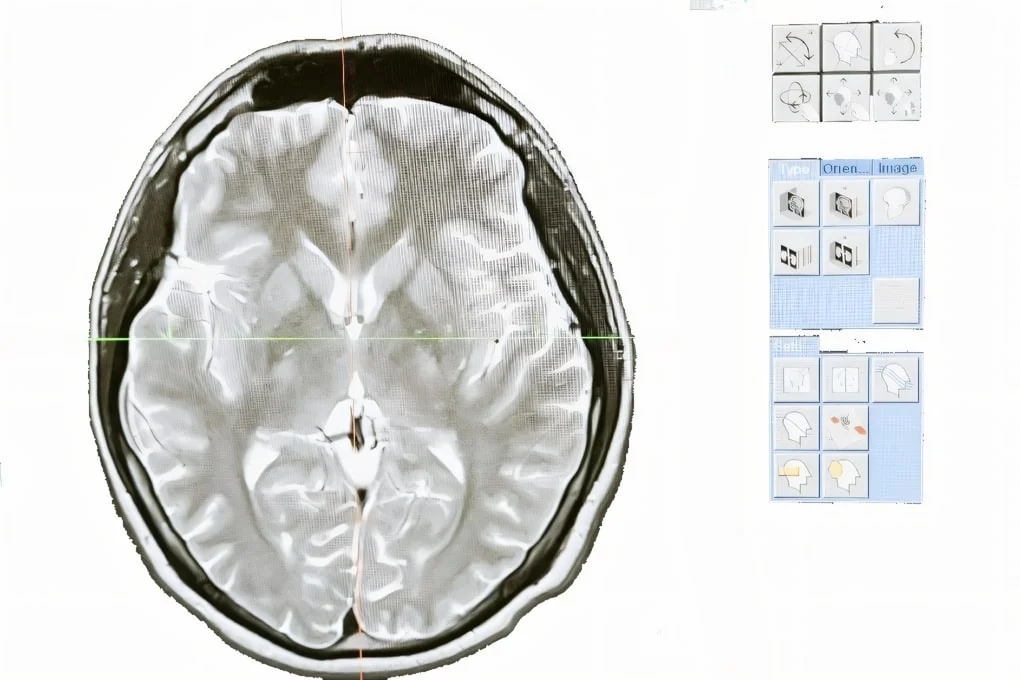
The Invisible Within
In the quest to understand Autism Spectrum Disorder (ASD), science has traditionally looked upward to the brain. Yet, a quiet revolution is shifting our gaze downward, to the complex ecosystem residing in our gut. The "Gut-Brain Axis"—a bidirectional information highway linking the enteric and central nervous systems—has emerged as a critical frontier in neuroscience. Within this microbial metropolis, one resident stands out not for its presence, but often for its conspicuous absence in the autistic gut: Faecalibacterium prausnitzii.
A Keystone Species
F. prausnitzii is what ecologists call a "keystone species." Just as the removal of wolves from Yellowstone altered the entire landscape, the depletion of *F. prausnitzii* destabilizes the gut environment. It is one of the most abundant bacteria in the healthy human colon, comprising up to 5-15% of the total microbiota. Its primary role? To maintain harmony. It is a peacekeeper, an architect of the mucosal barrier, and a master regulator of inflammation. In children with ASD, this peacekeeper is frequently reported to be missing or significantly reduced.
The Dysbiosis Connection
"Dysbiosis" is the term for a microbial imbalance. In ASD, this often manifests as a reduction in beneficial fermenters like *F. prausnitzii* and an overgrowth of potentially pathogenic species like *Clostridium*. This imbalance is not merely a side effect; it is a potential driver of symptoms. A gut in chaos often means a brain in distress. The metabolites produced—or not produced—by these bacteria enter the bloodstream, cross the blood-brain barrier, and directly influence neural function. When *F. prausnitzii* is scarce, the brain loses a vital source of neuroprotective compounds, leaving it vulnerable to inflammation and oxidative stress.
Beyond Digestion
The implications of this depletion extend far beyond digestion. Gastrointestinal issues are a common co-morbidity in ASD, affecting a significant percentage of children. The severity of these GI symptoms often correlates with the severity of behavioral symptoms—a phenomenon that strongly points to the gut-brain link. By understanding the molecular machinery of *F. prausnitzii*, specifically its strain A2-165, we open a new therapeutic window. We are not just treating a stomach ache; we are potentially addressing the root biological causes of neuroinflammation and behavioral regression.
Excerpt from: Unraveling Pathways: Exploring the Potential of F. prausnitzii A2-165 in ASD Drug Discovery by Peter De Ceuster
© All rights reserved. Do not distribute.