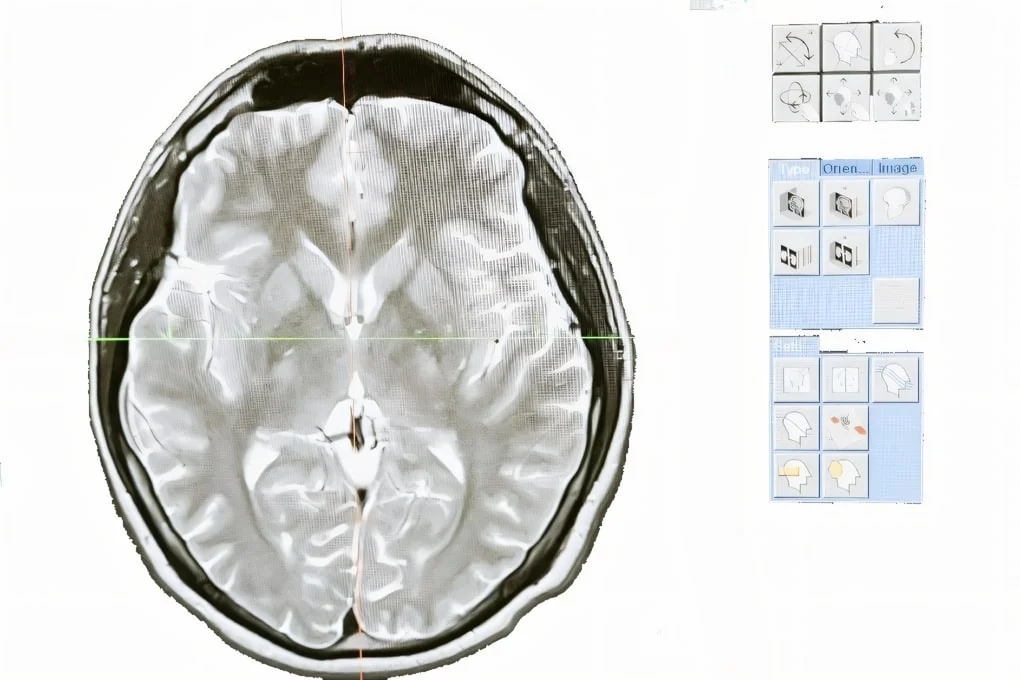
The Brain on Fire
For decades, the brain was considered "immune-privileged," a sanctuary isolated from the chaotic battlefield of the immune system. We now know this is a myth. The brain has its own resident immune cells—microglia—and is intimately connected to systemic immunity. At the heart of this interaction are Toll-like Receptors (TLRs), a family of pattern recognition receptors that act as the first line of defense against invaders. However, in neurodegenerative diseases and Autism Spectrum Disorder (ASD), these sentinels can turn against the very tissue they are meant to protect.
What are Toll-like Receptors?
TLRs are ancient, evolutionarily conserved sensors that detect "danger signals." These signals can be exogenous (like bacteria or viruses) or endogenous (damage-associated molecular patterns, or DAMPs, released by injured cells). When a TLR binds to its target, it triggers a signaling cascade that unleashes pro-inflammatory cytokines, initiating an immune response to clear the threat. In a healthy brain, this response is tightly regulated and beneficial.
Chronic Activation: The Tipping Point
The problem arises when this system enters a state of chronic activation. In conditions like Alzheimer's, Parkinson's, and subtypes of ASD, the accumulation of misfolded proteins (like amyloid-beta or alpha-synuclein) or cell debris acts as a constant, low-grade stimulus for TLRs. This leads to "neuroinflammation"—a persistent state of immune activation that is toxic to neurons. Instead of clearing the debris, the overzealous microglia release a cytokine storm that damages healthy synapses, impairs neuronal function, and accelerates cell death.
A Therapeutic Dilemma
This creates a therapeutic dilemma: How do we dampen this harmful neuroinflammation without compromising the potentially beneficial roles of the immune system, such as clearing amyloid plaques? Global suppression of the immune system is too blunt an instrument. We need a way to selectively disarm the specific receptors driving the damage. This is where the concept of "decoy receptors" enters the stage—a bio-engineered strategy to trick the immune system into standing down.
Excerpt from: Targeting Toll-like Receptors in Neurodegeneration: The Potential of Engineered Decoy Receptors as Therapeutic Innovations by Peter De Ceuster
© All rights reserved. Do not distribute.